


What to Know Before Herbal Steam
แชร์


What to Know Before Herbal Steam
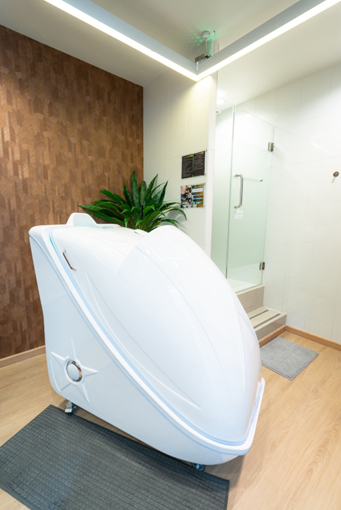
Herbal steam therapy is one of the therapeutic procedures in traditional Thai medicine that has been passed down through generations since ancient times. In traditional Thai medical practice, herbal steam therapy is regarded as a key treatment modality, alongside massage, herbal compress therapy, and the use of herbal medicines. This therapy primarily utilizes heat and the active properties of medicinal herbs to treat, rehabilitate, and promote overall health and well-being.
At present, herbal steam therapy has been further developed and is widely used in traditional Thai medical clinics, public healthcare facilities, as well as in the health and spa industry. As a result, this therapy plays an important role in health promotion and reflects the potential of traditional Thai medical wisdom in providing holistic healthcare.
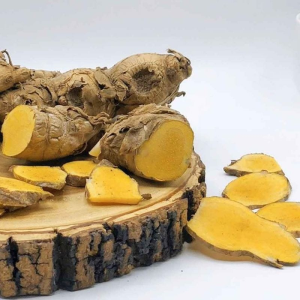
Many people with body aches look for ways to relax and take care of themselves. One option in Thai traditional medicine is herbal steam therapy, which uses steam heat together with herbs such as plai, turmeric, lemongrass, and kaffir lime. The selection of the herbal formulation may be considered according to individual suitability.
This article explains herbal steam therapy, covering its benefits, precautions, and contraindications to help ensure the service is received appropriately and safely.
Benefits of Herbal Steam Therapy
Aids in postpartum recovery
Helps eliminate lochia
Relieves muscle aches and promotes muscle relaxation
Helps the body release sweat and eliminate
Stimulates blood circulation
Improves respiratory function and alleviates symptoms of colds and nasal congestion
Precautions
Individuals with blood pressure lower than 90/60 mmHg or higher than 140/90 mmHg may be at risk of fainting (should be closely monitored)
The steam session should not exceed 30 minutes, as prolonged exposure may cause fatigue or fainting
If chest tightness or difficulty breathing occurs during the session, stop immediately
Contraindications
High fever above 38.5°C
All types of contagious diseases, such as tuberculosis
Chronic medical conditions, such as epilepsy, severe asthma, severe kidney disease, heart disease, or symptoms of chest pain and shortness of breath
Women who are menstruating or pregnant
Individuals with open wounds, inflamed wounds, or skin infections
Fatigue, lack of sleep, fasting, or immediately after a meal
Headache accompanied by dizziness and nausea
Individuals with blood pressure higher than 140/90 mmHg who experience lightheadedness, dizziness, headache, nausea, or vomiting
Individuals who are allergic to herbs or sensitive to heat
(After completing the steam session, drink water or an electrolyte drink to replace the fluids lost through sweating)
Individuals interested in herbal steam therapy may attend a consultation to assess their suitability prior to receiving the service at Gwellness clinic.
Prepared by Nawarat Tanapisankirati, ATTM
References
พิมพ์วิภา แพรกหา โรงพยาบาลการแพทย์แผนไทย มหาวิทยาลัยสงขลานครินทร์. (31 สิงหาคม 2560). การอบสมุนไพร((ดี))อย่างไร??. คณะการแพทย์แผนไทย มหาวิทยาลัยสงขลานครินทร์. https://www.ttmed.psu.ac.th/th/blog/212
สถานการแพทย์แผนไทยประยุกต์ คณะแพทยศาสตร์ศิริราชพยาบาล มหาวิทยาลัยมหิดล. (8 ธันวาคม 2565). การอบไอน้ำสมุนไพร. คณะแพทยศาสตร์ศิริราชพยาบาล มหาวิทยาลัยมหิดล. https://www.si.mahidol.ac.th/th/healthdetail.asp?aid=1528
blog.recent_view_blog