


When chronic pain is not a small Issue: case examples and care for office syndrome
แชร์


When chronic pain is not a small
Issue: case examples and care for office syndrome
For most working-age people, it’s common to experience stiffness and pain in the neck, shoulders, and upper back—symptoms generally known as “office syndrome.” This is especially true for those who spend long hours sitting in front of a computer. These symptoms often begin as mild tightness or discomfort but can spread to other areas of the body, such as the shoulder blades, lower back, or even radiate up to the head.
In addition, most patients who seek treatment at clinics tend to present with these types of symptoms, reflecting that office syndrome is a common health issue among today’s working-age population. The main causes stem from work behaviors that involve staying in the same position for long periods and a lack of movement or proper self-care. Therefore, awareness and understanding of the causes and symptoms of this condition are crucial for preventing and reducing the severity of potential long-term problems.

(Photo by www.kaboompics.com on Pexels)
To provide a clearer picture of the symptoms and treatment approaches for office syndrome, the author presents a case study of a patient who received treatment from a Thai traditional medicine practitioner / applied Thai traditional medicine practitioner at a clinic, as follows:
A 40-year-old female patient presented with symptoms of tightness and pain in both sides of the neck and shoulders, along with intermittent radiating pain to the head and radiating to the eye sockets. The symptoms were caused by prolonged computer work for 8 hours per day. The patient had not taken any measures to relieve the symptoms and had never received any prior treatment.
On initial assessment, the patient presented with pain and tightness in the neck and shoulder region during flexion, extension, lateral flexion, and rotation movements, with symptoms equally present on both sides. Palpation revealed muscle tightness in the neck, shoulder, scapular, and back regions. Pain intensity was reported as 8/10.
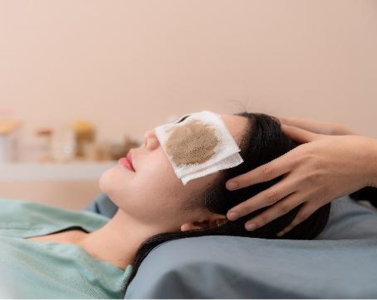
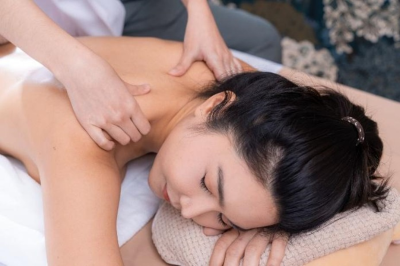
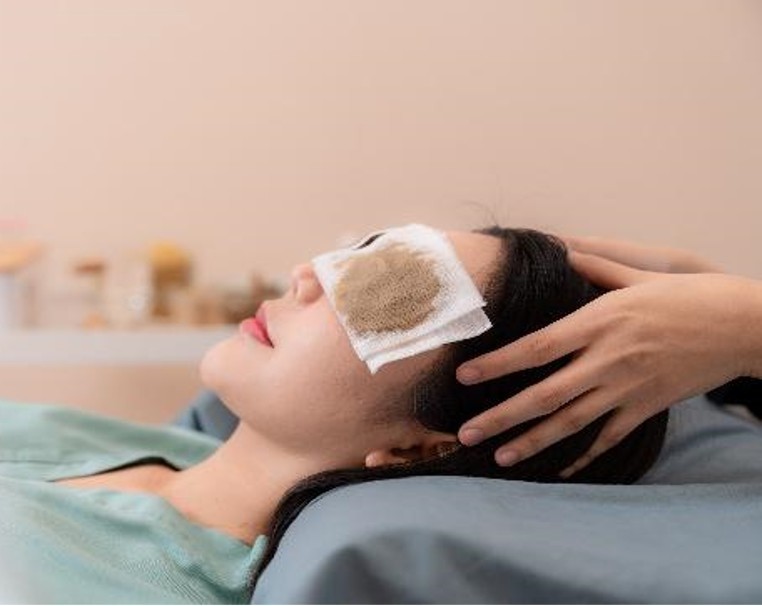
Therefore, a Thai traditional medicine practitioner / applied Thai traditional medicine practitioner planned treatment using therapeutic massage procedures to relieve muscle tightness in both sides of the neck, shoulders, shoulder blades, and back. Eye compress therapy was also performed to reduce heat in the eyes and relieve eye strain from prolonged visual use. In addition, the patient was advised to perform stretching exercises and modify behavioral habits.

After the first treatment session, the patient reported an increased range of motion in flexion, extension, lateral flexion, and rotation. Pain and tightness in the neck, shoulders, scapular region, and lower back were reduced; however, mild tightness persisted. Therefore, continued treatment once weekly was recommended to monitor progress and adjust the treatment plan accordingly, in combination with neck and shoulder stretching exercises, including ear-to-shoulder stretching and neck flexion exercises, as well as general exercise and modification of behaviors that may contribute to musculoskeletal pain and tightness.
After continuous treatment up to the fourth week, the follow-up assessment revealed that the patient demonstrated an increased range of motion in flexion, extension, lateral flexion, and rotation compared to the initial visit. Neck and shoulder pain had significantly improved, and radiating pain to the head was no longer present. Pain intensity was reduced to 4/10.
However, prolonged computer use may still result in occasional muscle tightness; nevertheless, the severity of symptoms has decreased compared to the pre-treatment condition. In addition, the patient has been engaging in exercise, muscle stretching, and behavioral modification, which have contributed to the improvement of symptoms. This case study involved a treatment duration of approximately 4 weeks.
*The results may vary from person to person, depending on various factors, including behavioral modifications in conjunction with treatment.
For more information, please contact any branch of Gwellness clinic
blog.recent_view_blog